



Best Free Amazon Gift Card Rewards
It started without a single patch note. Sometime last year, classic Call of Duty games on the Xbox 360 and PlayStation 3 suddenly started working again. Matchmaking databases that had been broken for years began pairing players in seconds. Suddenly, modern consoles utilizing backward compatibility were flooded with nostalgia. Classic titles like 2010’s Call of Duty: Black Ops and its 2012 sequel saw player counts jump from the low hundreds to tens of thousands overnight. Old friends reconnected. Nostalgia was cheap and highly accessible.
But the celebration did not last. Recent, unannounced adjustments to Activision’s matchmaking servers have plunged these legacy communities back into frustration. Players report that finding lobbies has once again become nearly impossible on certain platforms. The silent tweaks have broken matchmaking queues, reset player ranks, and left the community wondering if the publisher is actively trying to push them toward newer, live-service entries.
The Quiet Decline of the Golden Era
For many first-person shooter fans, the original Black Ops era represents the absolute peak of the franchise. It was a time before battle passes, aggressive skill-based matchmaking, and constant cosmetic microtransactions. The games simply worked. You hopped into a lobby, voted on a map, and played.
Today, playing these games is a minefield of technical bugs and security risks. On the PlayStation 3, the situation is particularly dire. A notorious bug linked to Sony’s 2018 PlayStation Network name-change feature prevents any account created or renamed after that date from saving multiplayer progress. Every time a player logs out, their rank resets to level one. Recent server tweaks have only exacerbated these issues, frequently freezing consoles during loading screens and splitting the remaining player base into isolated, empty matchmaking pools.
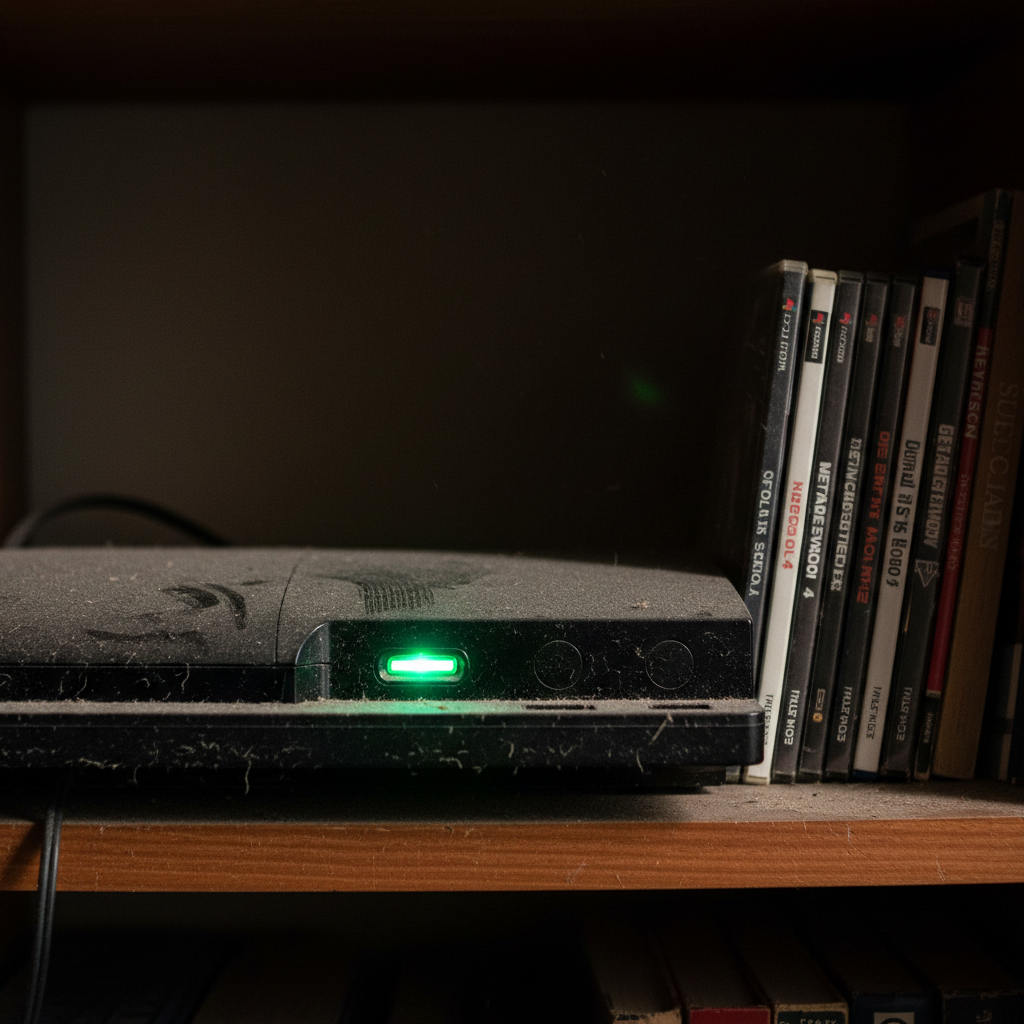
“It is incredibly disheartening,” says Marcus Vance, a long-time player who runs a community Discord server dedicated to organizing weekend lobbies. “We had this beautiful, brief window where the game felt alive again. Now, we spend two hours trying to get eight people into the same lobby without the game crashing. It feels like we are fighting against the developers just to play a game we bought fifteen years ago.”
The Preservation Battleground
The frustration has triggered a larger discussion about video game preservation. When a publisher decides to stop maintaining servers for older games, those games effectively cease to exist for the public. This is not a physical medium issue; millions of discs still exist. Instead, the gatekeeper is the backend server infrastructure.
Faced with corporate neglect, players have taken matters into their own hands. Community-led preservation groups have sprung up to keep these titles alive. Programmers and hobbyists have built custom server clients, created private matchmaking networks, and mapped out DNS workarounds to bypass broken official lobbies. On PC, projects like the Plutonium client have successfully kept games like Black Ops II alive with custom dedicated servers, active anti-cheat measures, and modding support.
However, these community efforts exist in a precarious legal gray area. Activision has a history of protecting its intellectual property aggressively. In 2023, the publisher issued a series of cease-and-desist letters that shut down several major fan projects, including the highly anticipated sm2 mod and the popular XLabs platform, which hosted custom servers for older titles.

The move left a bitter taste in the community’s mouth. Activision was shutting down the very people who were keeping their classic games safe and playable, all while refusing to fix the official security exploits that left console players vulnerable to remote code execution attacks.
Corporate Silence Breeds Cynicism
Activision has not released an official statement regarding the recent matchmaking degradation on legacy consoles. This silence has fueled widespread speculation. Some players believe the server fixes last year were merely a temporary marketing stunt ahead of the Microsoft acquisition. Others suspect that the backend servers were quietly downgraded to cut maintenance costs.
“They want us to move on,” Vance claims. “They want us playing the new titles because that is where the microtransactions are. If we are happy playing a game from 2010 that doesn’t cost us a dime to keep playing, we aren’t buying skin bundles in the latest release. It is a business decision, plain and simple.”
Whether that cynicism is entirely warranted is up for debate, but the technical reality is undeniable. Legacy server maintenance is expensive, difficult, and carries little financial incentive for a major publisher. The codebases are old, the developers who wrote them have long since left, and modern security standards are difficult to retroactively apply to systems designed during the Bush administration.
What Comes Next?
For now, the legacy Call of Duty community remains stubborn. Players continue to find workarounds. They coordinate matches via Reddit and Discord, sharing specific router settings and server IPs to force their consoles to connect. It is a labor of love, but it is also a fragile setup that could be permanently wiped out by another silent backend update.
As digital storefronts close and older servers are quietly decommissioned, the fight over the *Black Ops* lobby is a preview of a much larger battle. Without formal industry standards for preservation, the history of modern gaming remains entirely at the mercy of corporate boardrooms. For the players still trying to find a Match in Nuketown, the clock is ticking.


