


The global economy continues to evolve as countries invest in technology, infrastructure, manufacturing, energy, and international trade. Some nations are expanding at remarkable rates, creating new opportunities for businesses, workers, and investors. Others are strengthening their industries to compete in an increasingly connected world.
The World’s Fastest Growing Economies offer an interesting picture of how global economic power continues to change. Countries in Africa, Asia, Central Asia, and South America are becoming important contributors to worldwide economic expansion.
According to the International Monetary Fund’s (IMF) October 2026 World Economic Outlook, global economic growth will reach approximately 3.1% in 2026. However, individual countries show significant differences in their growth rates. Guyana leads the selected ranking with an impressive projected growth rate of 22.3%. Taiwan, South Sudan, Ethiopia, and Kyrgyzstan also demonstrate strong economic momentum. International Monetary Fund+1
These figures highlight an important development. Economic growth no longer belongs exclusively to traditional industrial powers. Emerging markets increasingly attract international attention through natural resources, technology, manufacturing, and expanding consumer markets.
Let’s explore the leading economies, their growth drivers, and the opportunities shaping their economic futures.
Understanding the World’s Fastest Growing Economies
Economic growth measures how much a country’s production of goods and services increases over time. Economists generally use Gross Domestic Product (GDP) to measure this performance.
A country with a high GDP growth rate produces more economic output than it did during the previous period. This expansion can result from increased industrial production, higher consumer spending, stronger exports, technological innovation, or greater investment.
The World’s Fastest Growing Economies attract attention because they demonstrate strong economic momentum. However, rapid growth does not automatically mean that every citizen enjoys higher living standards.
For example, an economy may expand because it produces more oil or minerals. Yet, the benefits may not reach households equally. Therefore, we should examine employment, inflation, income distribution, infrastructure, and public services alongside GDP.
What Does GDP Growth Mean?
GDP represents the total monetary value of final goods and services produced within a country’s borders during a specific period.
Economists often compare annual GDP figures to calculate economic growth.
Real GDP growth removes the effect of inflation. It therefore provides a clearer picture of whether an economy produces more goods and services.
For instance, if a country’s real GDP increases by 7%, its overall production has expanded by approximately 7% compared with the previous year.
Why Economic Growth Matters
Economic expansion can improve several areas of national development.
- Employment: Growing industries create new job opportunities.
- Business development: Companies gain opportunities to expand.
- Infrastructure: Governments can invest in transportation, electricity, and communication.
- Education: Economic resources can support schools and universities.
- Healthcare: Stronger public finances can improve medical services.
- International trade: Competitive industries can attract foreign customers.
Nevertheless, sustainable growth requires responsible economic management. Countries must control inflation, protect financial stability, and distribute development opportunities more widely.
How We Identify the Fastest Growing Economies
To understand The World’s Fastest Growing Economies accurately, we need a consistent measurement method.
This article uses the IMF’s October 2026 World Economic Outlook as its primary statistical reference. The IMF publishes country-level economic indicators and projections covering GDP, inflation, government finances, and international trade.
We use projected real GDP growth for 2026 to compare the selected countries.
Real GDP vs. Nominal GDP
These two measurements provide different information.
| Measurement | Meaning |
|---|---|
| Real GDP | Economic output adjusted for inflation |
| Nominal GDP | Economic output measured at current prices |
| GDP per capita | GDP divided by population |
| GDP growth rate | Percentage change in economic output |
Real GDP growth works best for identifying economies that expand quickly because it removes the influence of changing prices.
The Role of the IMF and World Bank
The IMF and World Bank provide valuable economic research.
The IMF publishes its World Economic Outlook twice a year, including country-specific projections. The World Bank also examines global growth, development challenges, poverty, investment, and regional economic performance.
These institutions help readers understand economic conditions beyond headline GDP figures.
However, forecasts represent estimates rather than guaranteed outcomes. Changes in commodity prices, political conditions, international conflicts, and trade policies can influence actual economic performance.
The World’s Fastest Growing Economies in 2026: Top 18 Countries
The following ranking highlights 18 selected economies with some of the strongest projected real GDP growth rates in 2026.
| Rank | Country | GDP growth |
|---|---|---|
| 1 | Guyana | 22.3% |
| 2 | Taiwan | 10.7% |
| 3 | South Sudan | 10.5% |
| 4 | Ethiopia | 9.2% |
| 5 | Kyrgyzstan | 9.0% |
| 6 | Vietnam | 8.4% |
| 7 | Uzbekistan | 7.8% |
| 8 | Rwanda | 7.4% |
| 9 | Tajikistan | 7.3% |
| 10 | Georgia | 7.2% |
| 11 | Guinea | 7.2% |
| 12 | Benin | 7.0% |
| 13 | Bhutan | 7.0% |
| 14 | India | 7.0% |
| 15 | Niger | 7.0% |
| 16 | Sudan | 7.0% |
| 17 | Mongolia | 6.2% |
| 18 | Uganda | 6.2% |
Source: IMF October 2026 World Economic Outlook. Figures represent projections, not final annual GDP results. Taiwan and India’s fiscal-year reporting conventions also require care when comparing country estimates. Voronoi+1
1. Guyana: The World’s Fastest Growing Economy
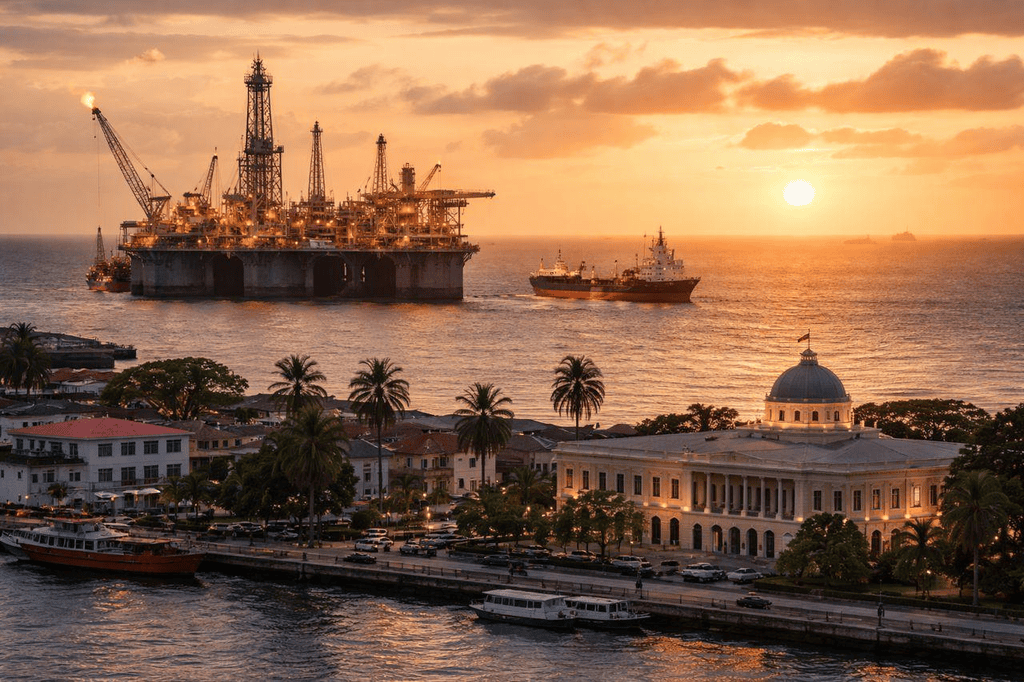
Guyana sees oil growth as Venezuela tensions ease ahead of energy meet
Guyana stands at the top of the 2026 growth ranking. Its projected real GDP growth rate reaches an extraordinary 22.3%.
The country’s expanding petroleum industry plays a major role in this economic transformation. Offshore oil production has attracted international energy companies, increased investment, and strengthened export activity.
However, oil production represents only part of Guyana’s economic story. Construction, transportation, retail, and other services also benefit from expanding economic activity.
The government faces an important challenge: turning resource wealth into long-term national development.
Investments in education, healthcare, roads, electricity, and public infrastructure can help Guyana build a more diversified economy.
2. Taiwan: Technology and Semiconductor Growth
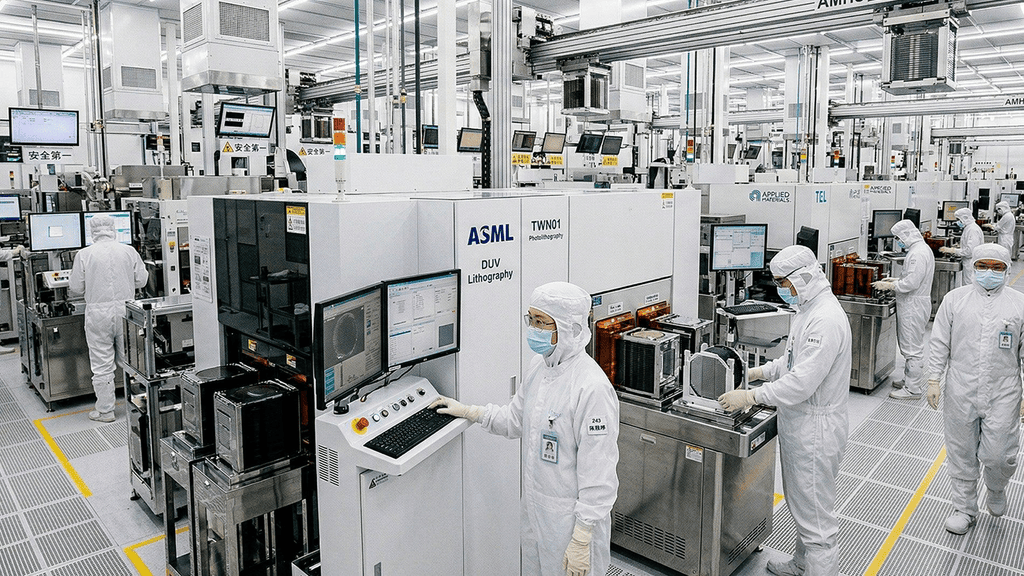
China roba ingenieros de chips a Taiwán con empresas fantasma: 100 casos desde 20
Taiwan ranks second, with projected economic growth of 10.7% in 2026.
Its advanced technology industry supports this impressive performance. Taiwan plays a major role in global semiconductor manufacturing, electronics production, and advanced computing.
Demand for artificial intelligence infrastructure has created additional opportunities for technology companies.
Semiconductors support smartphones, computers, vehicles, industrial equipment, and modern data centers. Therefore, international demand for advanced chips can influence Taiwan’s economic performance.
Taiwan also benefits from an experienced manufacturing workforce and established international supply chains.
Nevertheless, geopolitical tensions and global trade disruptions remain important risks.
3. South Sudan: Economic Recovery and Oil Production
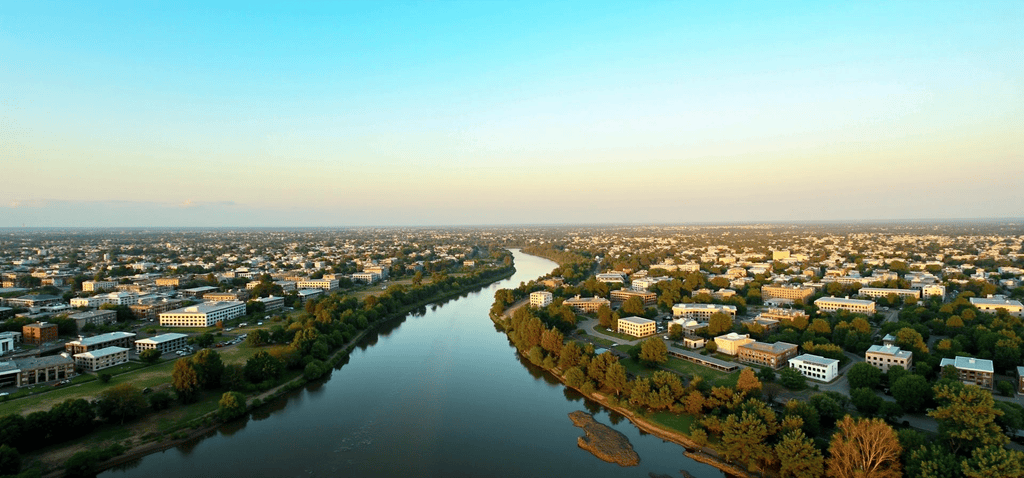
JUWA Real Estate Juba – Homes for Rent, Sale & Short-Term in South Sudan
South Sudan records projected economic growth of 10.5% in 2026.
Oil production plays a central role in its economy. Petroleum exports provide an important source of government revenue and foreign exchange.
Economic recovery could also benefit transportation, construction, agriculture, and domestic commerce.
However, South Sudan faces serious development challenges. Political uncertainty, infrastructure limitations, and humanitarian pressures affect economic stability.
Strong GDP growth does not automatically translate into improved living conditions. The country needs stronger institutions, reliable public services, and greater economic diversification.
4. Ethiopia: Manufacturing and Infrastructure Expansion
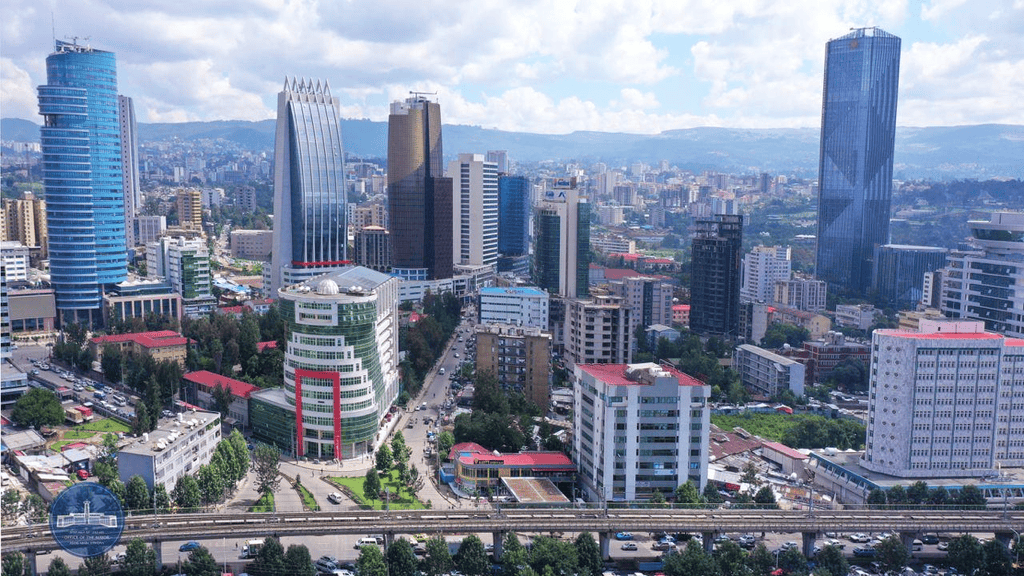
Addis Ababa Embarking on Smart City Transformation
Ethiopia has a projected growth rate of 9.2%, making it one of Africa’s strongest economic performers.
Its large population creates opportunities for domestic consumption and workforce development.
Agriculture remains important, while manufacturing, construction, transportation, and services contribute to economic expansion.
Infrastructure investment also supports Ethiopia’s long-term development. Roads, electricity projects, industrial parks, and logistics networks can strengthen productivity.
The country can achieve more sustainable growth by improving export competitiveness, attracting private investment, and creating skilled employment.
5. Kyrgyzstan: Trade and Regional Economic Growth
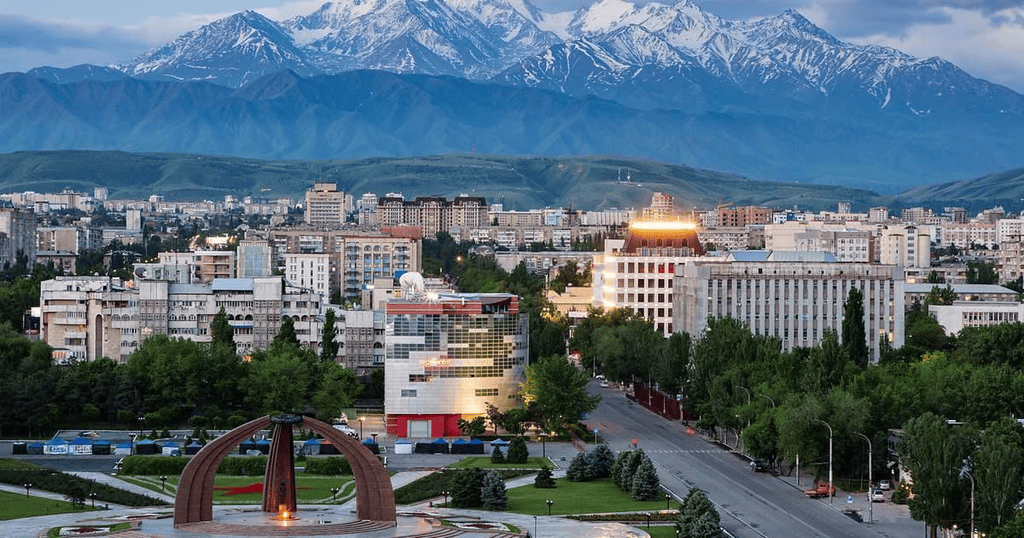
Bishkek’s 148th Anniversary: Photos of the City before and now
Kyrgyzstan records projected GDP growth of 9.0%.
Its strategic position in Central Asia creates opportunities for regional trade and transportation.
Gold mining, agriculture, construction, and services contribute to economic activity. Cross-border commerce also supports local businesses.
Regional economic integration can help Kyrgyzstan connect with larger markets.
However, the country needs stronger infrastructure, stable investment conditions, and a broader industrial base to maintain long-term growth.
6. Vietnam: Manufacturing and Global Trade
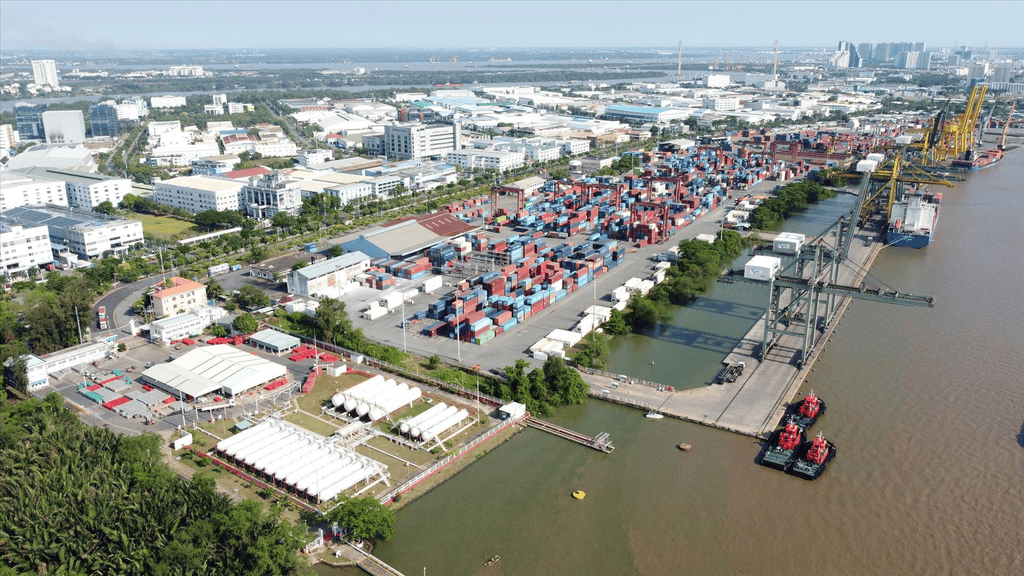
Ho Chi Minh City toward a Global Megacity
Vietnam ranks among Asia’s leading economic performers, with projected growth of 8.4%.
Its manufacturing industry plays a major role in international trade. Electronics, textiles, footwear, machinery, and consumer products support export activity.
International companies also view Vietnam as an important manufacturing destination.
Growing domestic consumption provides another source of economic strength. Urban development and rising household incomes support retail, housing, transportation, and financial services.
Vietnam can strengthen its position through workforce training, technological innovation, and improvements in industrial productivity.
7. Uzbekistan: Investment and Economic Modernization
Uzum – the Uzbek fintech which hit $1.5bn valuation in 3 years
Uzbekistan has a projected growth rate of 7.8%.
Economic modernization, infrastructure development, and investment support its expansion.
The country has significant natural resources, including gold, natural gas, and other minerals. Agriculture and manufacturing also contribute to national production.
Economic reforms can improve the business environment and attract international investors.
Furthermore, its location in Central Asia creates opportunities for regional transportation and trade.
8. Rwanda: Technology and Service Development
Things to Do in Kigali & Rwanda with Kids: A Parent’s Guide
Rwanda records projected economic growth of 7.4%.
Its economy benefits from services, tourism, construction, agriculture, and growing technology-related activities.
Kigali has developed into an important regional business and conference destination.
The government has also emphasized digital development, education, and infrastructure.
Rwanda’s relatively small domestic market creates limitations. However, regional trade and investment can support further economic diversification.
9. Tajikistan: Infrastructure and Remittances
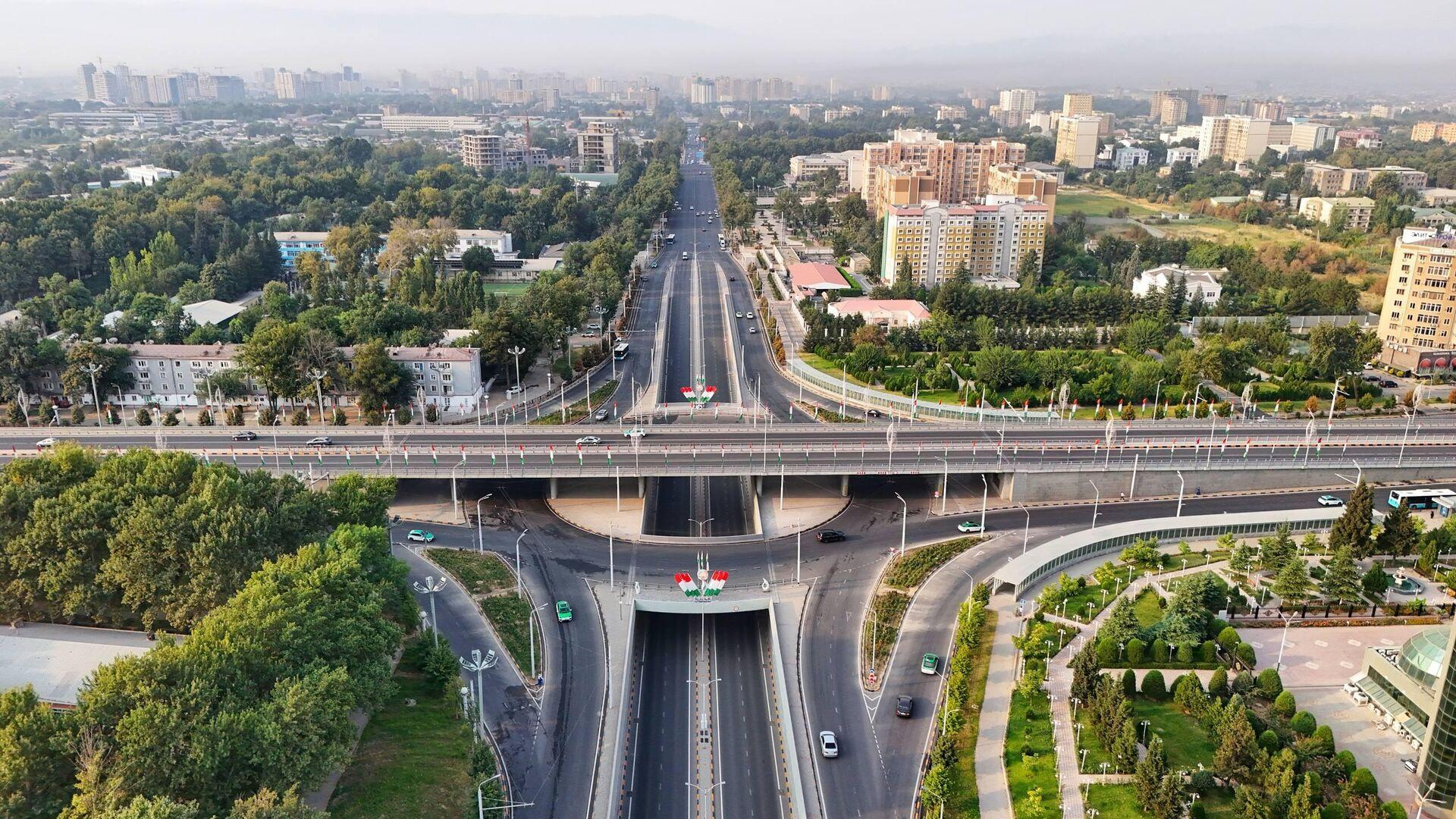
Tajikistan has projected economic growth of 7.3%.
Hydropower, mining, agriculture, construction, and services contribute to economic activity.
Remittances from citizens working abroad also support household consumption and domestic demand.
The country’s hydropower potential creates opportunities for electricity production and regional energy exports.
However, economic diversification remains essential. Greater private investment and stronger transportation connections could improve its long-term prospects.
10. Georgia: Tourism and Foreign Investment
Georgia records projected GDP growth of 7.2%.
Tourism, transportation, financial services, construction, and trade contribute to its economic expansion.
Its geographic location between Europe and Asia supports regional connectivity.
The country can attract more international investment by strengthening its business environment and improving infrastructure.
However, political stability and external economic conditions remain important considerations.
11. Guinea: Mining and Natural Resources
BAFATA Mining Project – Guinea
Guinea has a projected growth rate of 7.2%.
Its extensive mineral resources, particularly bauxite, create opportunities for mining and exports.
International demand for industrial minerals supports the sector.
Guinea can increase the benefits of natural resource production by investing in electricity, transportation, local processing, and workforce development.
A stronger manufacturing base would also reduce dependence on raw material exports.
12. Benin: Agriculture and Regional Trade
Port De Pêche Artisanal De Cotonou Obtient Financ
Benin records projected economic growth of 7.0%.
Agriculture remains an important part of its economy. Cotton production, food crops, transportation, and trade support employment and national income.
The Port of Cotonou also plays an important role in regional commerce.
Better logistics, agricultural processing, and private-sector investment could improve productivity.
Benin’s long-term economic success will depend on creating more value from domestic production.
13. Bhutan: Hydropower and Sustainable Development
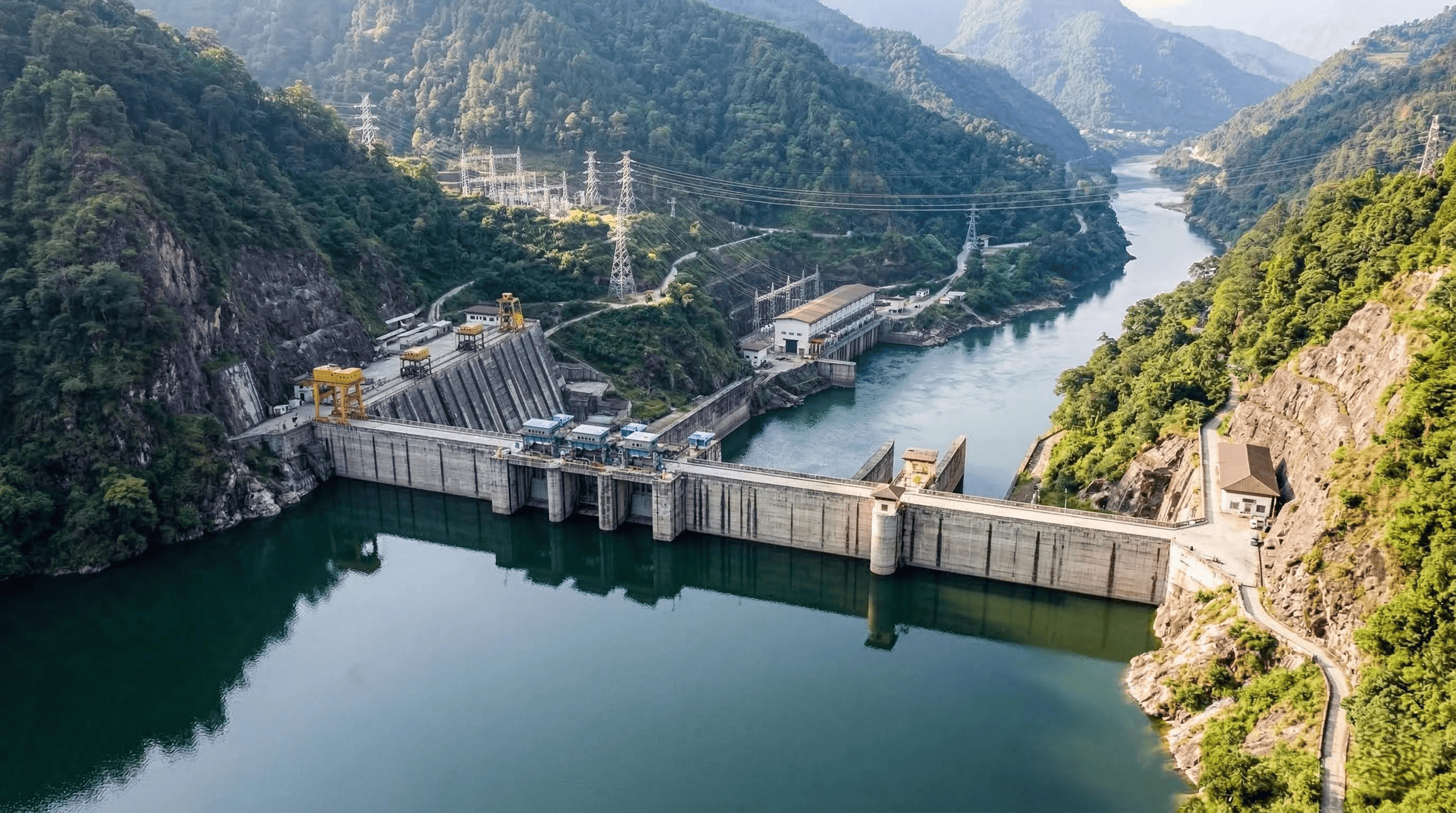
Bhutan Bliss: 6 Days Phuentsholing, Thimphu & Paro Tour
Bhutan has projected economic growth of 7.0%.
Hydropower represents one of its most important economic strengths. Electricity exports provide revenue and support regional energy cooperation.
Tourism, agriculture, and construction also contribute to development.
Bhutan’s natural environment creates opportunities for sustainable tourism and renewable energy.
However, its relatively small economy and geographic limitations require careful infrastructure planning.
14. India: A Major Engine of Global Economic Growth
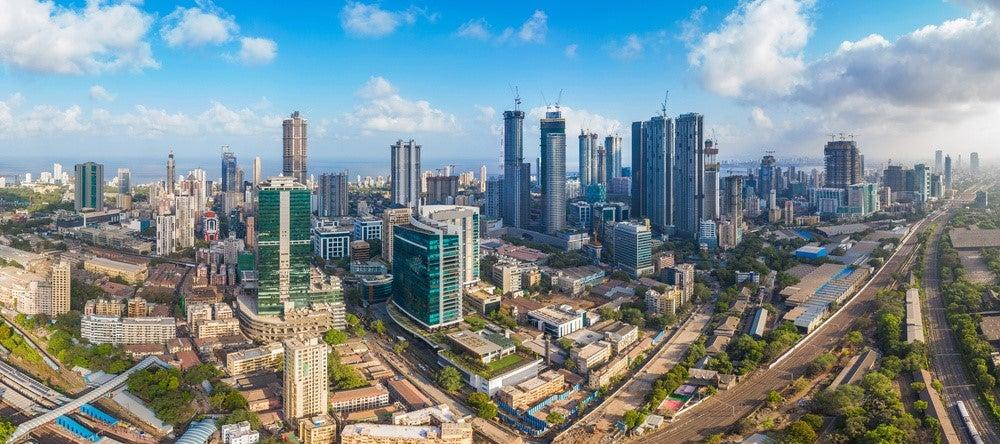
India has projected economic growth of 7.0% in 2026.
Its large domestic market, expanding services industry, and infrastructure investment support economic momentum.
Information technology, financial services, telecommunications, manufacturing, and digital commerce contribute to national production.
India also benefits from a growing consumer market and a large workforce.
Public investment in transportation, energy, and digital infrastructure can improve productivity.
As one of the world’s major emerging economies, India has significant potential to influence international trade and economic development.
15. Niger: Agriculture and Energy Development
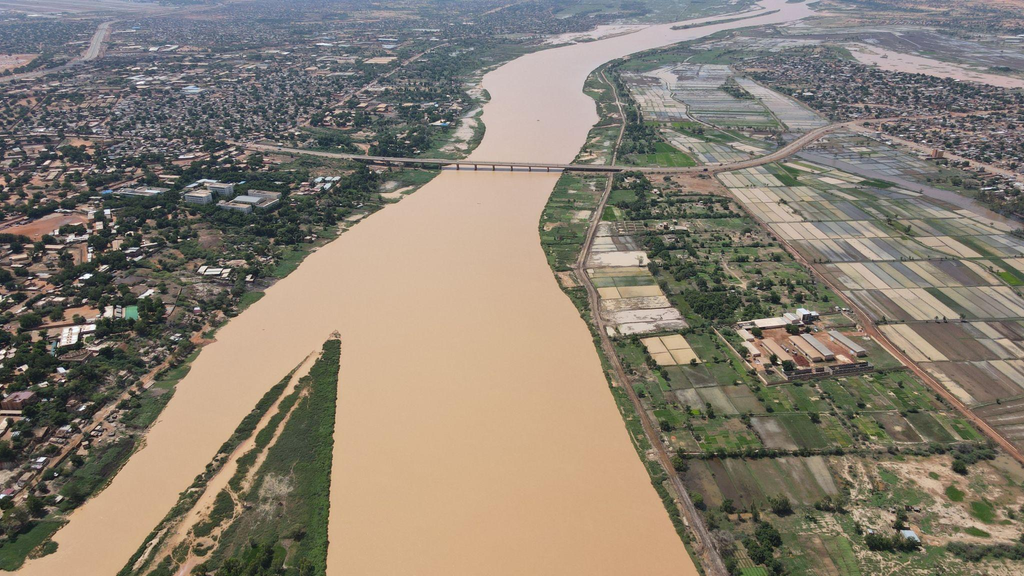
Niger records projected economic growth of 7.0%.
Agriculture remains central to employment and domestic production. Livestock, mining, and energy development also contribute to its economic potential.
Infrastructure improvements could help connect rural producers with larger markets.
However, climate vulnerability, political uncertainty, and limited access to essential services create serious challenges.
Long-term development requires investment in education, agricultural productivity, and reliable infrastructure.
16. Sudan: Economic Recovery Challenges
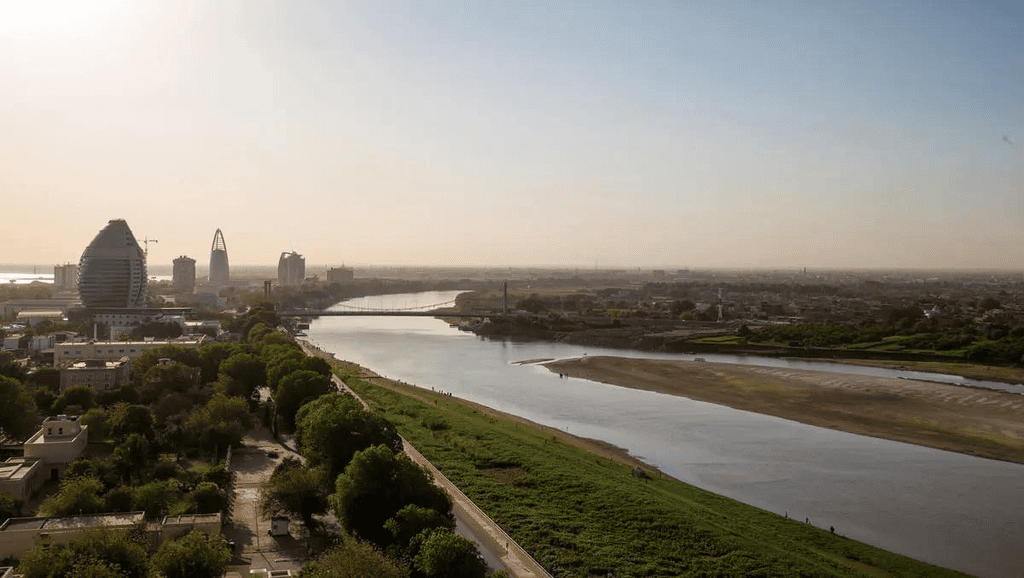
Sudan has projected GDP growth of 7.0% in 2026.
This figure reflects a projected expansion rather than proof of broad-based economic recovery.
Agriculture, livestock, mining, and trade could support future development.
Nevertheless, conflict, displacement, damaged infrastructure, and disrupted commercial activity continue to create major obstacles.
Sustainable growth requires improved security, restored public services, and functioning financial and trade systems.
17. Mongolia: Mining and International Trade
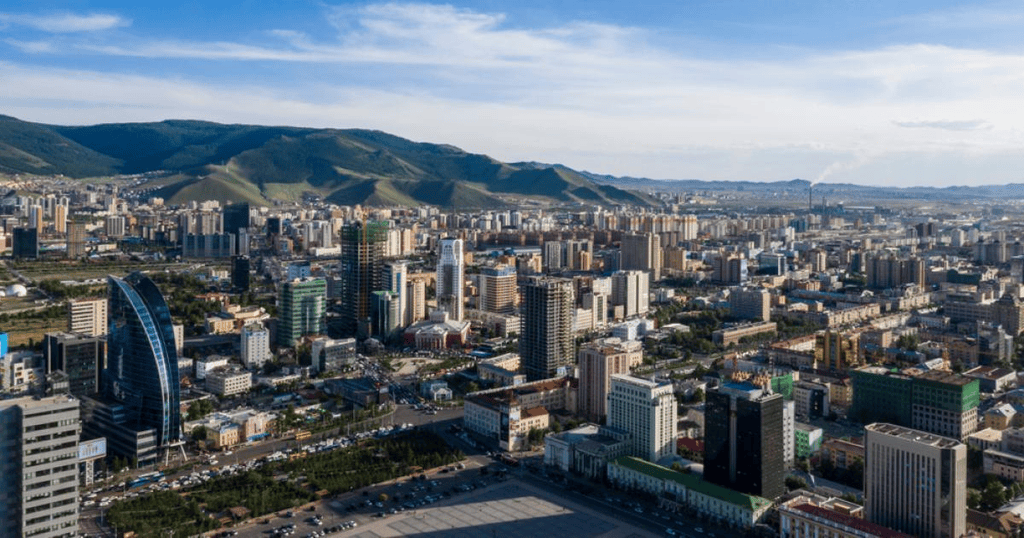
Mongolia has projected economic growth of 6.2%.
Mining plays a major role in its economy. Coal, copper, and other mineral resources support exports and government revenue.
Demand for industrial metals can create opportunities as countries invest in electricity networks, transportation, and clean-energy technologies.
However, Mongolia’s dependence on commodity markets creates risks.
Economic diversification and stronger trade connections can help improve long-term stability.
18. Uganda: Agriculture and Infrastructure Development
New Kampala Master Plan will Need Shs92 Trillion – Uganda
Uganda completes this selected ranking with projected economic growth of 6.2%.
Agriculture remains a major source of employment and income. Coffee, food production, livestock, and agricultural exports support economic activity.
The services sector, construction, and infrastructure investment also contribute to national expansion.
Uganda has opportunities to develop manufacturing and improve regional trade.
Better roads, electricity, education, and access to finance can help businesses become more productive.
Why Are Emerging Economies Growing So Quickly?
The World’s Fastest Growing Economies share several important characteristics. However, each country follows a different development path.
Some benefit from natural resources. Others expand through manufacturing, technology, tourism, or domestic consumption.
Understanding these differences helps explain why economic growth rates vary so widely.
Foreign Direct Investment
Foreign direct investment (FDI) brings international capital, technology, business knowledge, and employment opportunities into a country.
Companies invest in factories, energy projects, transportation systems, and service industries.
For emerging economies, FDI can support industrial development and improve access to international markets.
However, governments must create transparent regulations and stable business conditions to attract responsible investment.
Technology and Digital Transformation
Technology increasingly influences economic productivity.
Digital banking, artificial intelligence, cloud computing, telecommunications, and automation help businesses operate more efficiently.
Countries that invest in digital infrastructure can improve financial inclusion and create new industries.
Taiwan’s semiconductor industry demonstrates how specialized technology production can influence national economic performance.
Natural Resources and Energy
Oil, gas, minerals, and renewable energy can generate export revenue and attract investment.
Guyana demonstrates the economic impact of expanding petroleum production.
Similarly, Mongolia benefits from mineral resources, while Bhutan uses hydropower to support its economy.
Nevertheless, resource-rich countries need diversification. Commodity prices can change quickly, creating unpredictable government revenue.
International Trade and Manufacturing
Manufacturing creates employment and supports exports.
Vietnam demonstrates how international supply chains can contribute to economic development.
Countries that improve logistics, industrial skills, electricity access, and production quality can become more competitive in global markets.
Africa’s Growing Economic Potential
Multibillion-dollar projects uplift office space demand in Nairobi
Africa has several countries among the world’s fastest-growing economies.
Ethiopia, South Sudan, Rwanda, Guinea, Benin, Niger, Sudan, and Uganda appear in the selected 2026 ranking.
The continent offers opportunities in agriculture, energy, mining, manufacturing, tourism, and digital services.
Its young population also creates opportunities for workforce development and consumer-market expansion.
However, African economies face challenges involving infrastructure, inflation, political stability, access to finance, and climate change.
The World Bank’s June 2026 outlook projects Sub-Saharan African growth at 4.0% for 2026. This regional figure differs from the higher projections of several individual countries. World Bank+1
Asia’s Role in Global Economic Expansion
Asia remains an important center of global economic activity.
India, Vietnam, Taiwan, Uzbekistan, Kyrgyzstan, Tajikistan, Bhutan, and Mongolia feature in the selected ranking.
The region benefits from manufacturing, technology, international trade, domestic consumption, and infrastructure development.
India’s expanding services industry and Vietnam’s export-oriented manufacturing sector demonstrate two different approaches to economic growth.
Meanwhile, Taiwan’s technology industry supports international demand for advanced semiconductors.
Asia’s economic future will depend on innovation, productivity, regional cooperation, and financial stability.
South America’s Emerging Economic Opportunities
As oil boom transforms Guyana, a scramble for spoils
South America also contributes to the changing global economic landscape.
Guyana’s remarkable growth highlights the economic importance of petroleum production and international energy investment.
However, resource-led expansion needs careful management.
Governments must invest export revenue in education, infrastructure, healthcare, and productive industries.
Economic diversification can help countries reduce their exposure to international commodity-price fluctuations.
Guyana’s experience offers an important example of how natural resources can transform a relatively small economy.
Challenges Facing the World’s Fastest Growing Economies
Rapid economic expansion creates opportunities, but it also introduces risks.
Countries must address several challenges to maintain long-term development.
Inflation and Currency Instability
High inflation reduces household purchasing power.
When food, housing, transportation, and energy prices increase rapidly, families may struggle to maintain their living standards.
Currency instability can also increase the cost of imported products and foreign debt.
Therefore, governments and central banks need responsible monetary and fiscal policies.
Political Instability and Government Debt
Political uncertainty can discourage international investment.
Investors generally prefer predictable regulations, reliable institutions, and transparent financial systems.
High government debt can also restrict spending on infrastructure, education, and healthcare.
The World Bank highlights the importance of managing debt and strengthening fiscal positions in developing economies. World Bank
Infrastructure and Employment Challenges
Economic growth requires reliable electricity, transportation, internet access, and logistics.
Without these foundations, businesses face higher operating costs.
Countries also need education and vocational training to prepare workers for modern industries.
Creating productive employment should remain a central goal of economic development.
What Does the Future Hold for Global Economic Growth?
The future of global economic growth will depend on technological innovation, international cooperation, investment, and economic stability.
Artificial intelligence could improve productivity across manufacturing, finance, healthcare, transportation, and education.
Renewable energy may also create opportunities for countries with strong solar, wind, and hydropower resources.
Meanwhile, emerging markets can attract more investment by improving infrastructure and developing skilled workforces.
The IMF’s October 2026 outlook projects global growth of 3.4% in 2027, compared with 3.1% in 2026. However, it also identifies geopolitical conflicts, trade tensions, fiscal vulnerabilities, and changing AI investment expectations as important risks. International Monetary Fund
Countries that combine innovation with strong institutions and responsible economic policies may achieve more sustainable development.
Frequently Asked Questions (FAQs)
1. Which country has the strongest economic growth potential in 2026?
Guyana has the highest projected real GDP growth rate in the selected 2026 ranking, at 22.3%. Its expanding petroleum industry, foreign investment, and growing domestic economic activity support this performance.
2. Can a country become wealthy through rapid GDP growth?
Yes, rapid GDP growth can help a country increase national income and improve living standards. However, long-term prosperity also requires employment opportunities, education, healthcare, infrastructure, and fair income distribution.
3. Which industries offer the biggest opportunities in emerging markets?
Technology, renewable energy, manufacturing, agriculture, healthcare, transportation, and financial services offer significant opportunities. Their potential varies by country, depending on resources, infrastructure, and consumer demand.
4. Are fast-growing economies always safe for foreign investors?
No. High economic growth does not guarantee low investment risk. Investors should examine political stability, inflation, currency movements, regulations, public debt, and market conditions before making financial decisions.
5. Will emerging economies become more influential in the global economy?
Many emerging economies have the potential to gain greater international influence. Expanding consumer markets, technological development, manufacturing, and international trade can strengthen their positions in the global economy.
Conclusion
The World’s Fastest Growing Economies demonstrate how rapidly the global economic landscape continues to change. Guyana leads the 2026 ranking through its expanding oil industry, while Taiwan benefits from technology and semiconductor demand. India and Vietnam demonstrate the strength of manufacturing, domestic consumption, and international trade. Meanwhile, Ethiopia, Rwanda, Uzbekistan, and other developing nations show the potential of emerging markets. However, sustainable economic development requires more than impressive GDP figures. Countries must invest in education, infrastructure, healthcare, innovation, and productive employment. Ultimately, the nations that transform rapid economic expansion into lasting improvements in people’s lives will shape the next generation of global economic leadership.


I just like the helpful information you provide in your articles