


[ad_1]
A federal judge is asking Apple to approve Fortnite’s submission on the U.S. App Store or return to court to explain the legal basis as to why it has not done so.
In a new filing, U.S. District Judge Yvonne Gonzalez Rogers confirms the court has received Epic Games’ latest motion, where it demands that Apple approve Fortnite for distribution on the App Store.
The clearly annoyed judge asks Apple to show the court the “legal authority upon which Apple contends that it can ignore this Court’s order.” Gonzalez Rogers also suggests that Apple will need to return to court to explain if the situation is not addressed.
“Apple is fully capable of resolving this issue without further briefing or a hearing,” Gonzalez Rogers reminds the tech giant, before adding that Apple name the company official who’s responsible for ensuring compliance with the court’s decision.
Reading between the lines, the demand for the name of the Apple official in the new filing suggests that Gonzalez Rogers is not above considering contempt charges for failing to comply with the court’s injunction.
This follows her earlier ruling, where the judge skewered Apple for attempting to route around the court’s orders and accused the tech company of lying under oath.
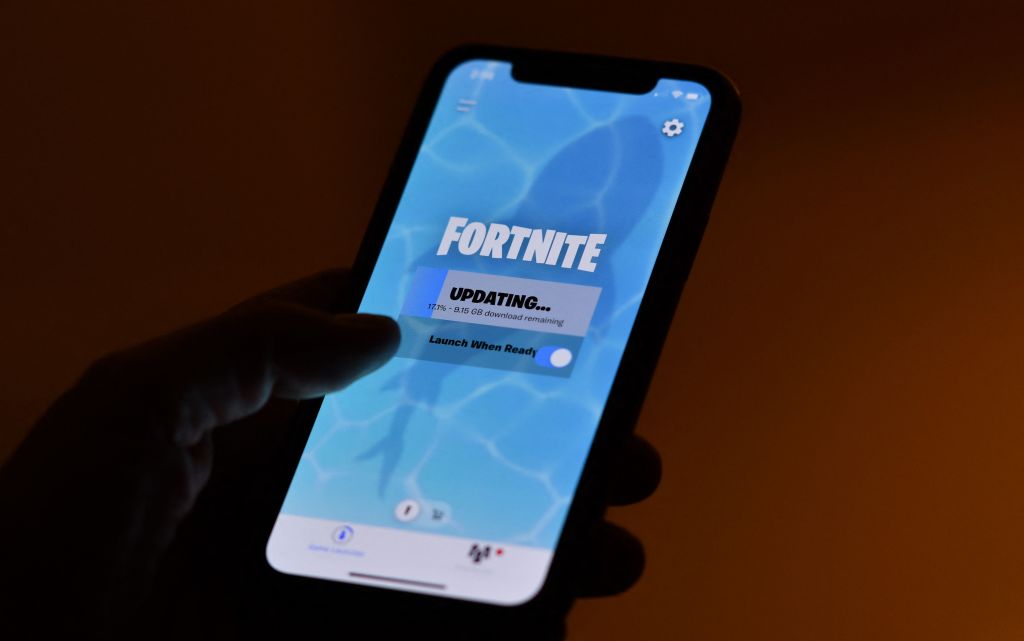
After winning the right to include links to external payment mechanisms in its app, Epic Games resubmitted Fortnite to the U.S. App Store. However, Apple told the game maker that it decided not to take action on Epic Games’ submission until after the Ninth Circuit rules on Apple’s pending request for a partial stay of the new injunction. (In other words, Apple said it didn’t have to approve the app until the legal proceedings around its appeal fully played out.)
Epic Games on Friday filed a motion to compel the court to enforce the injunction, given Apple’s decision.
The latest legal threat follows a years-long court battle over Apple’s App Store policies, which had long denied app developers the right to link to external payment options without paying Apple a commission. Apple originally complied with the court’s decision in the lawsuit by allowing U.S. developers to apply for an exception to its App Store rules, but it still collected a 27% commission on those alternative purchases, down from the usual 30%. Apple also required developers to use “scare screens” that warned consumers when they were clicking through to make a purchase outside its App Store.
In a major victory for developers, Gonzalez Rogers ruled Apple was in “willful violation” of the court’s injunction on anticompetitive pricing and commissions, which would have seemingly allowed Fortnite to return to the App Store. But Apple sat on the submission for a week instead, neither approving nor denying the game’s publication, while its lawyers crafted a response.
What happens next could be significant for Apple, as it may inspire similar legal action or regulation in other global markets.
Apple was the victor in Epic’s original antitrust lawsuit against the tech giant, as the court declared it was not a monopolist. However, Epic Games carved out a win in one area when Gonzalez Rogers agreed that iPhone users should have access to alternative payment options if a developer wanted to use its own website for in-app purchases, like those for virtual goods or subscriptions.
Following the decision, Apple updated its App Store policies for the U.S., and apps, including Spotify, Amazon Kindle, and Patreon quickly rolled out new versions of their apps to take advantage of the new functionality.
Epic Games declined to comment. Apple did not respond to a request for comment.
[ad_2]
Source link


