


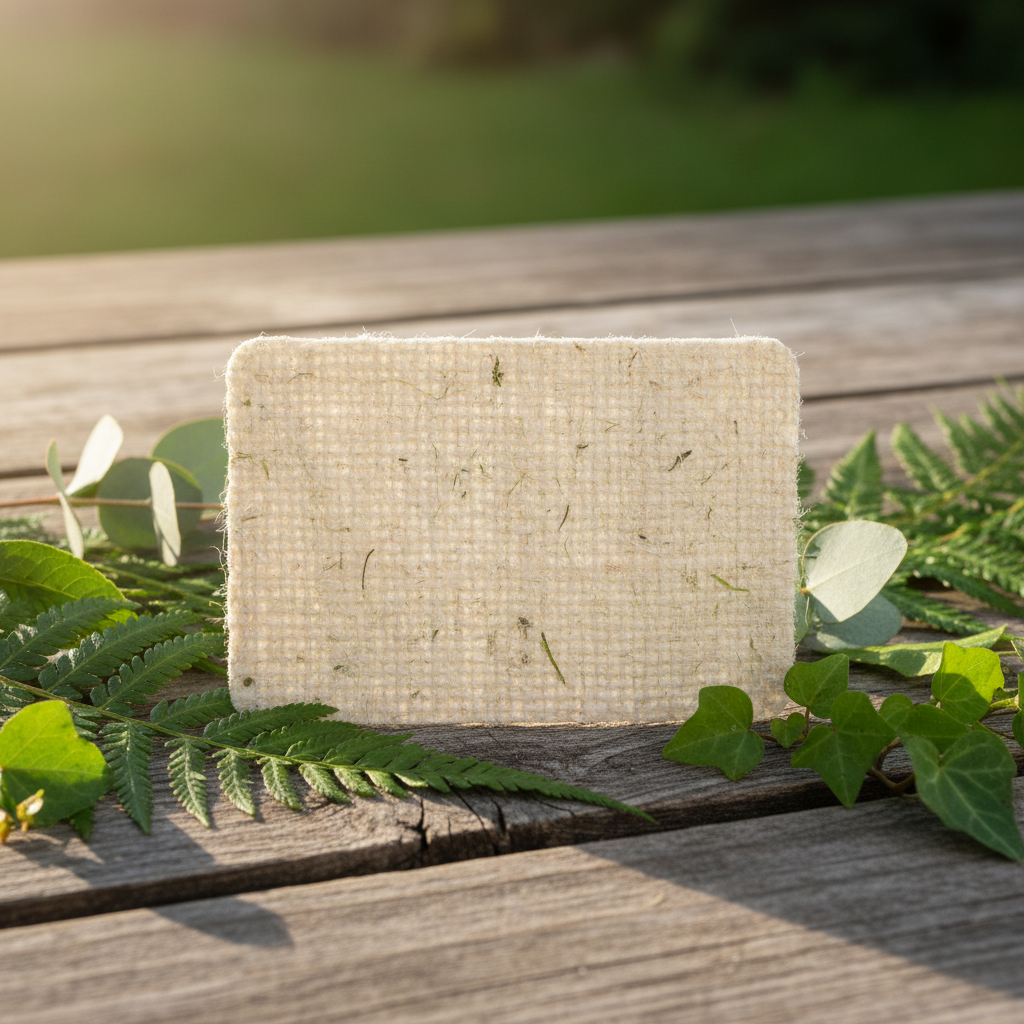
The plastic gift card’s days are officially numbered at Amazon. In a major shift aimed at reducing its massive environmental footprint, the e-commerce giant is completely phasing out its traditional plastic gift cards. In their place, shoppers will soon see 100% biodegradable alternatives made from plant fibers.
The timing is deliberate. Amazon wants these new, eco-friendly cards on racks and in shipping boxes just in time for the high-volume fourth-quarter shopping rush. Holiday shoppers buying for Black Friday, Cyber Monday, and Christmas will be the first to handle the new material.
A Heavy Toll in Tiny Plastic Squares
Gift cards are a multi-billion dollar business. They are also an environmental nightmare. Most traditional gift cards are made from polyvinyl chloride, or PVC. It is a highly durable plastic, which is great for sitting in a wallet but terrible for the planet. PVC does not break down naturally. Instead, it fragments into microplastics that contaminate soil and water systems for centuries.
Amazon has not released the exact number of gift cards it prints each year, but retail analysts estimate the figure runs into the hundreds of millions. When those cards are redeemed, the physical plastic usually goes straight into the trash. The scale of the waste is staggering. By moving away from PVC, Amazon is eliminating tons of single-use plastic from the retail supply chain virtually overnight.
What Are the New Cards Made Of?
The new cards look and feel remarkably similar to the old ones, but they are entirely different under the surface. They are crafted from FSC-certified wood pulp, bamboo, and various agricultural waste products. Amazon engineered the material to withstand the rough-and-tumble of shipping and handling without tearing or degrading prematurely.
But once they are thrown away, the magic happens. Under standard composting conditions, these plant-fiber cards decompose completely within a few months. They leave behind zero toxic chemical residues or microplastics.
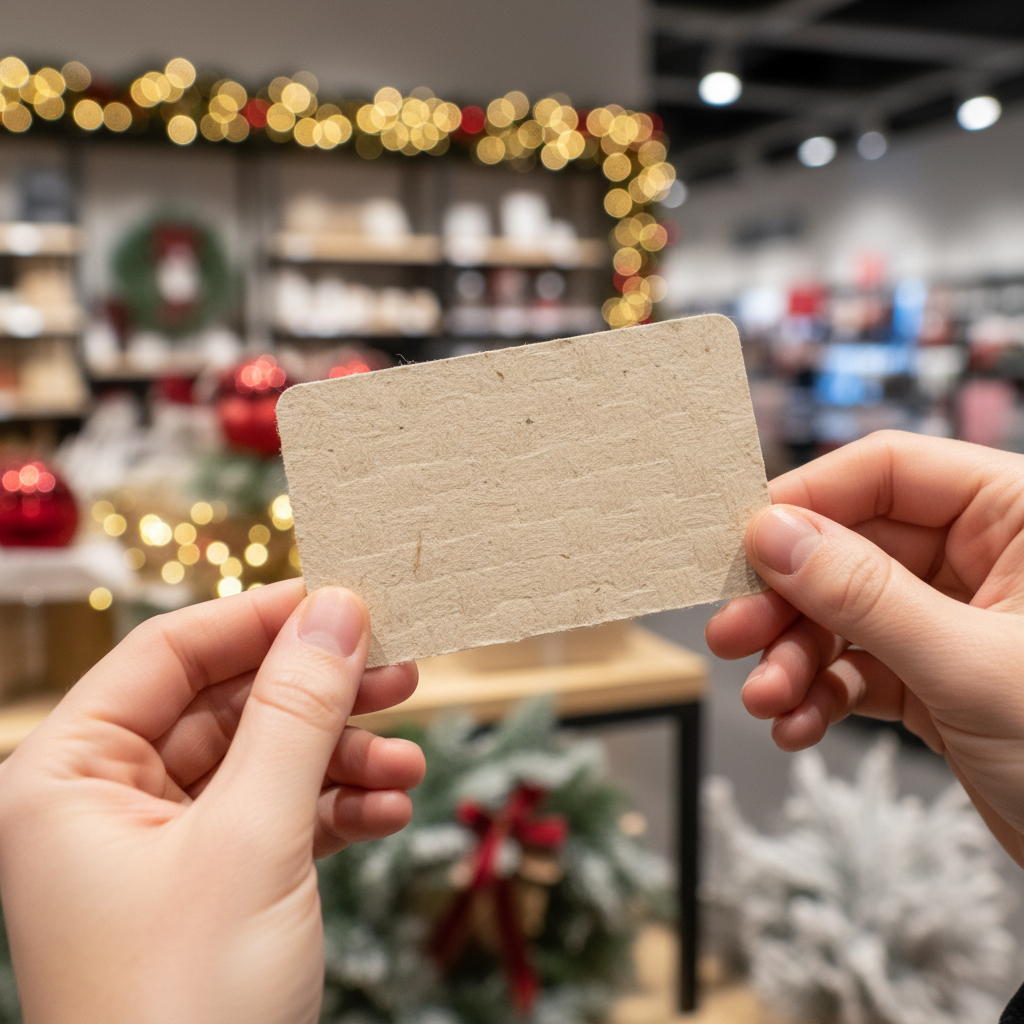
- 100% PVC-Free: No synthetic plastics are used in the core or the protective coating.
- Water-Based Inks: The graphics are printed using eco-friendly, non-toxic inks that do not interfere with composting.
- Fully Recyclable: If they do not end up in a compost bin, they can be tossed straight into standard paper recycling bins.
The Staying Power of Physical Cards
You might wonder why physical cards still exist in the age of smartphones. It is a fair question. Digital gift cards are incredibly convenient, sent instantly via text or email. Yet, shoppers still love the physical act of giving. A tangible card tucked into a greeting card or hanging on a holiday tree feels much more like a real present. Because of this psychological connection, physical card sales continue to thrive, particularly during the winter holidays. That is why fixing the material of the physical card was so urgent for Amazon’s sustainability team.
Part of a Broader Green Push
This move is not an isolated event. It is a key piece of Amazon’s broader Climate Pledge, which aims for net-zero carbon emissions across all operations by 2040. Over the past few years, the retailer has quietly targeted packaging waste. It swapped plastic mailers for paper ones, cut down on box sizes, and pressured third-party sellers to use less packaging.
The gift card transition is the logical next step. While gift cards are physically small, their sheer volume makes them a highly visible symbol of single-use waste. Replacing them sends a clear message to consumers who are increasingly anxious about plastic pollution.
Will the Rest of Retail Follow?
Historically, when Amazon makes a major packaging shift, the rest of the retail industry eventually catches up. Competitors like Walmart, Target, and major grocery chains still rely heavily on plastic gift cards. But as consumer demand for sustainable options grows, these companies will likely face pressure to upgrade their own card lineups.
The transition will not be without challenges. Plant-fiber materials can be slightly more expensive to manufacture than cheap PVC. However, Amazon’s massive scale allows it to absorb these costs and negotiate better rates for raw materials, a luxury smaller retailers might not have.
For now, the holiday shopping season will be the ultimate test. If the plant-fiber cards hold up under the stress of winter shipping and frantic in-store grabs, they could quickly become the new standard for the entire retail industry. One thing is certain: the era of the disposable plastic gift card is drawing to a rapid, overdue close.


