



The Federal Trade Commission is sounding a massive alarm. With the 2026 holiday shopping season just around the corner, a new breed of high-tech fraudsters is targeting older Americans. The weapon of choice? Artificial intelligence that mimics the voices of loved ones. The goal? Sneaking away with thousands of dollars in Amazon gift cards.
Scammers are getting smarter. They don’t just sound like random telemarketers anymore. Now, they sound like your family.
On Thursday, the agency warned that these AI-cloned voice scams have reached unprecedented sophistication. Fraudsters need only a three-second clip of someone’s voice—easily grabbed from a TikTok post, Instagram reel, or a public voicemail message—to replicate it perfectly. They then call an elderly relative, pretending to be a grandchild in immediate danger.
A Terrifyingly Convincing Script
“It is a terrifying experience for a grandparent,” said Samuel Levine, director of the FTC’s Bureau of Consumer Protection. “The voice on the other end sounds exactly like their grandchild, crying, desperate, and begging for help. In that moment of panic, logical thinking flies out the window.”
The script usually follows a familiar pattern. The caller claims to be in a tight spot. Maybe they got arrested, ended up in a car crash, or got stranded in a foreign country. They beg the grandparent not to tell their parents, adding a layer of secrecy that keeps the victim from verifying the story.
Why Amazon Gift Cards?
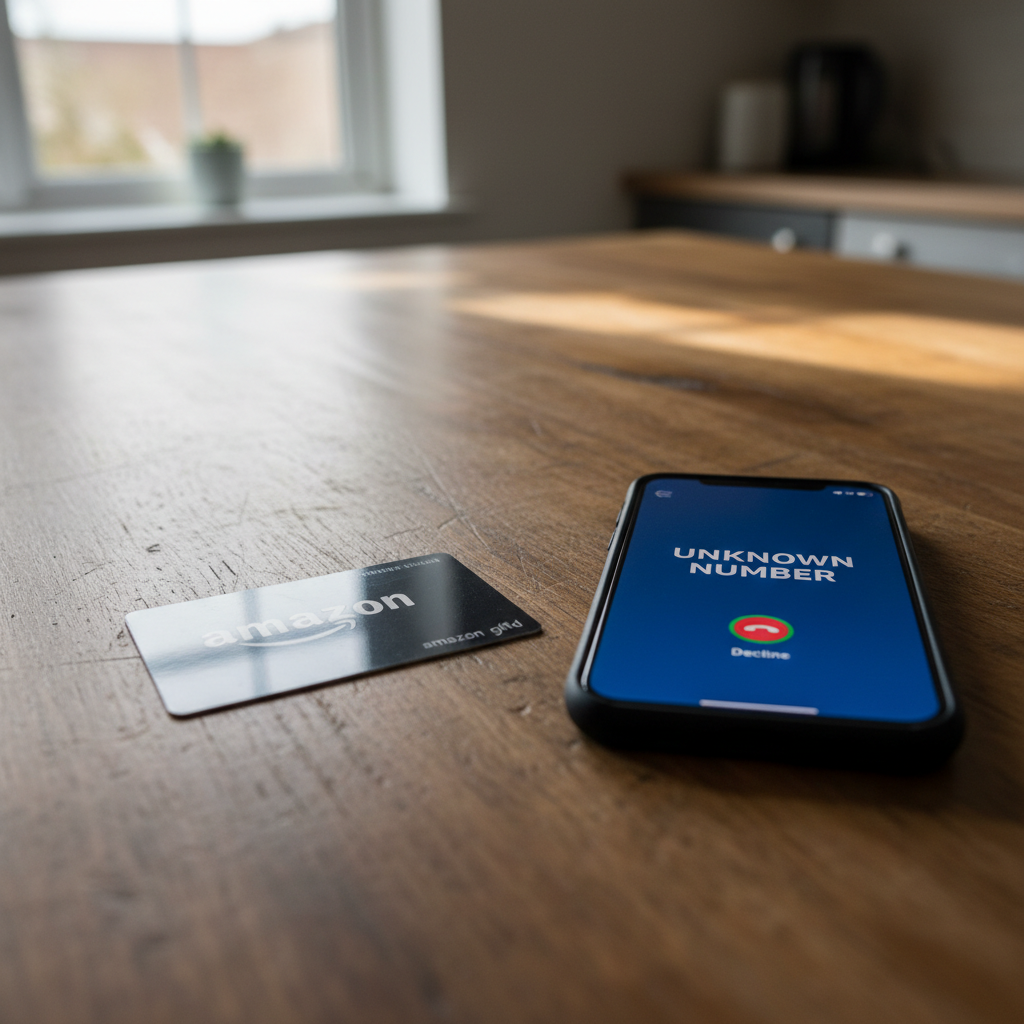
Once the emotional hook is set, the scammers deliver the instructions. They claim they need immediate financial help. But instead of wire transfers or banking details, they demand something simpler: Amazon gift cards. The victims are told to drive to a local big-box retailer, purchase several high-value cards, and read the registration numbers over the phone.
Why gift cards? They act like untraceable cash. Once the scammer gets those numbers, the funds are drained in seconds, often routed through international networks before the victim even realizes they have been duped. The FTC reports that gift cards remain the top payment method demanded by fraudsters, with Amazon cards being the most popular due to the retailer’s massive catalog of easily resold items.
The Staggering Cost of Deception
The numbers are staggering. According to updated FTC data, American seniors have already lost more than $142 million to gift card scams in 2026 alone. The average loss per incident hovers around $3,400. Officials fear these numbers will skyrocket as families connect during the winter holidays, a prime time for emotional exploitation.
How to Shield Your Family This Holiday Season
The FTC is urging families to take proactive steps right now. Protecting vulnerable relatives starts with open communication and a few simple strategies.
- Create a family passphrase: Establish a secret word or phrase that only immediate family members know. If someone calls claiming to be a relative in trouble, ask for the password. If they don’t know it, hang up immediately.
- Don’t trust caller ID: Spoofing technology makes it incredibly easy for criminals to mask their real phone numbers. The incoming call might look like it’s coming from your grandchild, but it could easily be a scammer.
- Verify independently: Hang up and dial the relative or their parents directly on their known, saved phone number. Never use the call-back number provided by the suspicious caller.
- Remember that gift cards are for gifts: No legitimate business, government agency, or utility company will ever demand payment via gift cards. If someone asks for Amazon gift cards to resolve an emergency, it is always a scam.
Amazon says it is working with law enforcement to flag suspicious, high-dollar card purchases, but prevention remains the best defense. Once those numbers are read aloud, recovering the lost money is nearly impossible. Talk to your parents and grandparents today. A five-minute conversation could save them from financial ruin this holiday season.


